


How to Condition Cut Flowers for Longer Vase Life
Learn simple steps for trimming stems, removing lower leaves, and using fresh water to keep cut flowers looking healthy and vibrant for days.

Why Conditioning Matters More Than You Think
There is a quiet disappointment that every flower lover knows: you bring home a beautiful bunch, arrange it lovingly, and by the third morning the heads are drooping and the water smells faintly of a pond. Usually, the flowers themselves were not the problem. The problem was that they were never properly conditioned.
Conditioning is the florist's term for the preparation that happens between the shop or the garden and the vase. It is not complicated, and it takes perhaps fifteen minutes, but it makes an enormous difference to how long your blooms last. The goal is simple: help each stem take up water as efficiently as possible, then keep that water clean. Cut flowers are living things that have been separated from their roots, and everything we do after that point is about buying them time.
Start With a Clean Vase and Clean Tools
Before a single stem touches water, wash your vase in hot soapy water and rinse it thoroughly. Bacteria multiply rapidly in vase water, and a dirty container gives them a head start. The same goes for your secateurs or scissors — wipe the blades with a little surgical spirit or hot soapy water so you are not pushing grit and mould into the cut.
Use a sharp pair of bypass secateurs or floral scissors rather than a blunt kitchen knife. A clean cut slices the stem's water channels open; a crushing cut damages them and the stem will struggle to drink from the very start.
Fill your vase with lukewarm water to about two-thirds full. Warm water moves up the stem more readily than cold, and most stems — with the important exception of spring bulbs — prefer it. If you can, let tap water stand for half an hour so any chlorine dissipates.
Trim the Stems Properly
Strip the lower leaves first, then cut. This order matters, because you want to see exactly where the foliage ends before deciding how short to go.
- Remove all leaves that would sit below the waterline. Submerged foliage rots within a day or two and turns the water cloudy, which shortens vase life dramatically for every stem in the arrangement.
- Cut at an angle of roughly 45 degrees. This gives the stem a larger surface area for drinking and stops it sitting flat against the base of the vase, where it would seal itself off.
- Cut about 2–3cm from the bottom, and do it under water if you can. Cutting underwater prevents an air bubble from travelling up the stem and blocking the flow.
- Re-trim every two or three days. Stems naturally callous over at the base, so a fresh cut restores their ability to take up water.
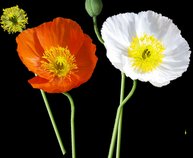
Some stems need special treatment. Woody stems such as lilac, forsythia and roses with thick bases benefit from a short vertical slit cut upwards through the bottom centimetre. Hollow or sappy stems like dahlias and poppies should have their bases dipped briefly in hot water — around 80°C — for a few seconds to seal the milky sap, then plunged into cold water.
Handle Special Cases With Care
Certain flowers have quirks worth knowing. Daffodils release a sap that is toxic to other flowers, so condition them separately for at least six hours before mixing them into a display. Once they have rested, they are usually safe to combine.
Tulips continue to grow in the vase and will lean towards the light, so keep them in a cool spot and expect to re-trim them more frequently. Hydrangeas wilt dramatically but often revive: submerge the whole head in cool water for an hour or so, then re-cut the stem and return it to the vase.
Roses respond beautifully to having their guard petals — the outer, slightly bruised ones — gently peeled away, and to having any thorns below the waterline removed.
Keep the Water Fresh and Clean
Conditioning does not end when the arrangement is made. Change the water completely every two days rather than simply topping it up, and re-cut the stems at the same time. Add a commercial cut flower food if you have it, or make your own: a teaspoon of sugar to feed the blooms, a few drops of bleach or a tablespoon of vinegar to keep bacteria at bay, and a squeeze of lemon juice for acidity. Change this solution with the water.
Keep the vase away from direct sunlight, radiators, draughts and bowls of ripening fruit, which release ethylene gas and speed up ageing. A cool, shaded position in the room is ideal.
Small Habits, Longer Bloom
None of these steps takes long, and most become second nature after a few bunches. Trim on an angle, strip the lower foliage, use clean water and clean tools, and refresh everything every couple of days. Do that, and a supermarket bouquet that might have lasted four days can easily give you a week or more.
There is something deeply satisfying about a vase that still looks generous on the eighth morning. A little care at the start is all it takes — and your flowers will reward you for it.

Post a comment