


How to Dry Flowers for Long-Lasting Decorations
Learn which flowers dry well, the best methods for preserving them, and how to use dried stems in home displays.

Why Dried Flowers Deserve a Place in Your Home
There is something quietly satisfying about a jar of dried stems on a windowsill in January. Fresh bouquets are glorious, but they are fleeting — and the flowers you grew, received, or picked from a hedgerow in summer can carry on looking beautiful for years if you treat them kindly. Drying is one of the oldest floristry skills there is, and it costs almost nothing to learn. Get it right and you will have material for wreaths, posies, table arrangements and Christmas garlands long after the garden has gone to sleep.
The trick is choosing the right flowers and drying them slowly, in the dark, with plenty of air. Rush it and you will end up with brittle, faded stems that shatter the moment you touch them.
Which Flowers Dry Well — and Which Simply Won't
Not every bloom is a candidate. Thick, fleshy petals such as tulips, lilies and daffodils hold too much water and usually turn to mush or brown paper. The best candidates are flowers with a low moisture content, a naturally papery texture, or a strong woody stem.
- Everlastings: strawflower, statice, helichrysum, Xeranthemum and globe amaranth. These are the gold standard — they hold their colour remarkably well.
- Hydrangea: mophead and lacecap varieties dry beautifully if picked when the heads feel slightly papery to the touch, usually late summer.
- Roses: small-flowered and old-fashioned varieties dry far better than big, blowsy modern blooms. Pick them just as they open.
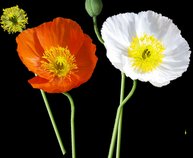
- Seed heads and grasses: nigella, poppy, honesty, teasel, bunny tails, lagurus and pampas. These add texture and movement to any arrangement.
- Herbs and foliage: lavender, rosemary, bay, eucalyptus, oak leaves and beech. Eucalyptus in particular holds its scent and silvery colour for months.
- Others worth trying: delphinium, larkspur, cornflower, celosia, allium and scabious.
As a rule of thumb, anything that feels dry and papery in the hand will dry well. Anything that feels cool and damp against your cheek should stay in the vase.
The Best Methods for Preserving Stems
Air drying is the simplest and most reliable method. Pick your flowers on a dry morning after the dew has lifted, strip the lower leaves, and bundle them in groups of six to eight with an elastic band — not string, as stems shrink as they dry and the bundle will slip. Hang them upside down in a dark, dry, well-ventilated spot: an airing cupboard, a loft, a shed with a window left ajar. Darkness matters, because sunlight bleaches colour. They will be ready in two to four weeks.
Drying flat suits single-layer flowers such as pansies, violas and individual rose petals. Lay them between sheets of blotting paper or newspaper, then press under a heavy book or a proper flower press. These are ideal for framing, card-making or scattering across a table setting.
Silica gel gives the most lifelike results and is worth the investment if you want to keep a special bloom — a wedding rose, for example. Cover the flower completely with the crystals in an airtight container, seal it, and leave it for three to seven days depending on the size. The flower keeps its shape and much of its colour, though the stems stay soft, so you will need to wire them if you want to arrange them.
Microwave pressing is a quick fix for small quantities. Sandwich petals between kitchen paper and weight them with a plate, then give them short bursts of twenty to thirty seconds, checking between each. It is fast but unforgiving — a few seconds too long and you have crisps.
Storing and Conditioning Your Dried Material
Once thoroughly dry, handle your stems as little as possible. Store them in a cardboard box lined with tissue paper, laid flat rather than crammed upright, somewhere cool and dark. Avoid plastic bags, which trap moisture and encourage mould. Add a sachet of silica gel to the box if your storage space is at all damp.
If stems feel brittle when you come to use them, a light mist of water from a spray bottle will make them supple enough to bend without snapping. Leave them for ten minutes before working with them. A quick spray of unscented hairspray also helps seal delicate heads and reduce shedding — useful if you are making something that will be handled, such as a wreath or a buttonhole.
Using Dried Stems in Home Displays
Dried flowers behave differently from fresh ones, so arrange them with that in mind. They are lighter, so taller vases and narrow-necked bottles work better than wide bowls. They also have a matte, muted palette, which pairs beautifully with ceramics, linen, wood and brass.
- Height and airiness: put tall grasses at the back, mid-height seed heads in the middle, and rounder, denser flowers low and forward.
- Odd numbers: three, five or seven stems of the same variety grouped together always look more considered than pairs.
- Contrast texture: mix fluffy pampas with spiky teasel, or papery statice with smooth eucalyptus. Repetition of shape, variety of texture, is the reliable formula.
- Keep them out of direct sun and away from radiators. Dry air and strong light are what fade and crumble dried arrangements fastest.
- Refresh seasonally: add a few sprigs of rosemary or a handful of dried orange slices in winter, and swap to cornflowers and grasses in summer. Dried arrangements are not fixed — they are a living, changing display.
Dust them gently every few weeks with a hairdryer on its coolest, lowest setting, held at arm's length. With a little care, a bouquet you dried this autumn could still be gracing your mantelpiece three Christmases from now.

Post a comment